I’ve been working in academic journal editing for so long that sometimes I forget how much of the process is obscure, even to senior scholars. So we’ll take a brief walk-through of the behind-the-submissions-door activities of the independent academic journal Folklore.
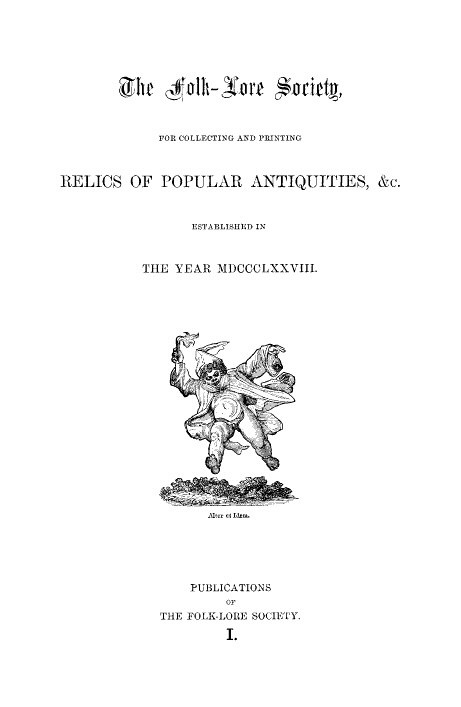
The journal of The Folklore Society, Folklore has been continuously published since 1878. Its aim is to be “lively, informative, and accessible, while maintaining high standards of scholarship.” Meeting this aim involves rigorous work with authors; Folklore has an unusually thorough editorial approach.
One eminent historian, publishing with us for the first time, said he had never been put through his paces so hard! (He later came back for more.) Let’s open that secret door and see the processes involved.
When an author submits a paper for consideration, the first step is the editor’s “desk-read” to determine if it is within the journal’s remit, referenced in academic style, and well-written in easily understood English. If yes, then we find two expert scholars for the role of peer-reviewers. This process is unpaid and “double-blind:” authors and reviewers are anonymized.
We decide to publish based on our expertise and the peer-reviews. A common preliminary result is a “revise-and-resubmit,” which requires a second round of assessment—usually in-house.
If ultimately accepted, the paper then enters the editing stage.
This is the hands-on part.
Editor and author work on content, structure, style, referencing, images, and format. We always do line editing, sometimes developmental editing, plus language editing for non-native speakers. The first edit is frequently intense. The manuscript passes back and forth until it is perfect, typically requiring several weeks—occasionally longer.
Eventually, the text goes to the publishers for typesetting and copy-editing. The author and editor both check the first set of proofs (sample typeset document for correcting), then the editor continues with the publisher until a flawless set is ready for printing and the article assigned to an issue. Publication time at last!
I hope this quick tour has demystified journal procedures a little. Cascadia Editors Collective can also help you prepare a scholarly paper for submission, increasing the likelihood of a successful outcome.